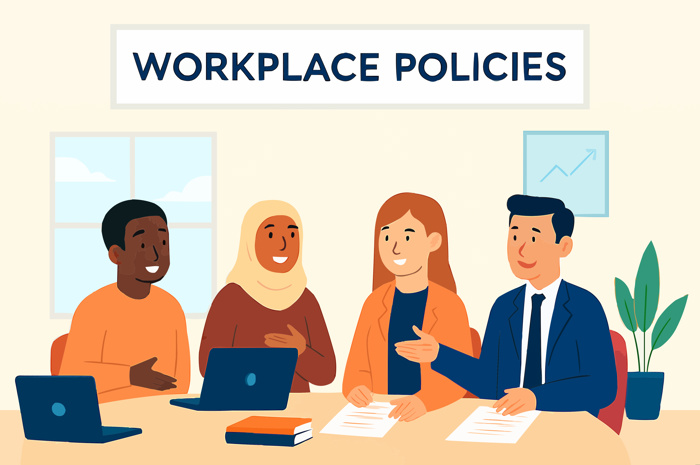
Formal rules, regulations and company policies are often neglected when a company is first incorporated, especially if the founder is the sole employee running the business. This is typically due to operational issue and commercial development being given more attention rather than the governance frameworks at the early stage of setting up a business.
However, the implementation of company policies becomes a matter of both practical relevance and legal requirement for employers as the small company starts to grow and hiring is necessary. Owners must ensure that the right structures are in place to allow both a pleasant working atmosphere and encourage adherence to employment laws.
It is important that these policies and procedures are created before the first employee is onboarded. By doing this, risk is reduced, consistency and transparency are encouraged, and a strong basis for long-term success is established.
Why Are Regulations Important To Small Businesses?
In the UK, HR policies and procedures are made to safeguard workers' rights while laying out expectations for both companies and employees. They are often a legal requirement for employers. They usually contain important job information including pay, hours worked, and paid time off. Additionally, they set up organised standards and processes for things like hiring and disciplining employees. The HR policies and procedures can support small companies in the event of legal disputes and assist them in meeting legislative requirements.
Enhancing employee clarity can also be facilitated by HR rules and processes. Clarity on roles, duties, and procedures will be defined. Communication is improved when staff members are aware of expectations and how to report problems. The goal of this openness is to develop a more co-operative and effective work environment.
What are the essential legal policies and procedures for small businesses?
While some HR policies and procedures are optional and can be customised to fit your small company, there are certain legally requirements for employers that must be applied.
1) Health & Safety
In order to protect employees from potential workplace dangers and make sure the company complies with regulatory requirements, health and safety rules are essential. In order to maintain a safe workplace, these regulations should specify how to carry out risk assessments, locate fire assembly locations, put emergency response plans into action, and train employees.
2) Grievance
Grievances can be a delicate topic, workers must know who they can speak to if they have any concerns. Clear instructions and unbiased grievance procedures contribute to the development of a welcoming and transparent work environment where staff members feel encouraged and secure that their issues will be taken care of.
3) Disciplinary and Dismissal
It is crucial that policies and procedures for disciplinary and dismissal offer an impartial, fair method of addressing performance concerns and wrongdoing while guaranteeing adherence to the law. Both the employer's and the employees' rights must be safeguarded. In order to assist avoid accusations of wrongful termination, they also specify appropriate protocols for ending employment.
When implementing any policy into a new small company, it is crucial that disciplinary procedures are consistently used. For example, when misbehaviour or subpar performance are handled inconsistently, accusations of discrimination or unjust treatment may soon follow. A well-defined, documented method that outlines steps like formal warnings, informal warnings, inquiry procedures, and the ability to appeal helps guarantee that judgments are supported by evidence and can be defended in the event that they are later questioned.
How Does A Small Company Develop Policies?
Finding your company's unique requirements is the first step in creating effective regulations. While certain HR policies are mandated by law in the UK, others can be implemented to promote workplace norms like equal opportunity, flexible scheduling, and sickness and leave. Every policy should be spelled out in plain terms to guarantee that staff members are aware of their duties and the applicable laws. After they are created, policies need to be properly explained, usually via internal systems or an employee handbook, and training should be provided as needed. Lastly, to guarantee continued compliance, policies should be reviewed and revised on a regular basis to take into account modifications to the law, corporate operations, and organisational requirements.
In conclusion, any small company beginning to expand their business and hire employees should consider implementing detailed and straightforward policies. In addition to providing structure and uniformity, these policies guarantee that the organisation complies with all applicable laws and that both employers and employees are aware of their rights, responsibilities, and the standards that must be met in the workplace. Small businesses can establish a productive and legally compliant workplace by establishing standards for internal processes, safety, data protection, equality, employment contracts, and conduct.