As the world goes on, the investment into technology continues to grow, which leads to more retailers making the switch to online stores rather than physical store locations. Whilst this does bring convenience to customers, many people prefer the more traditional method for shopping, which allows you to view and try the products in store instead. So, let’s take a closer look at the pros and cons for each type, and which strategy will work best for your company.
High Street Retailers:
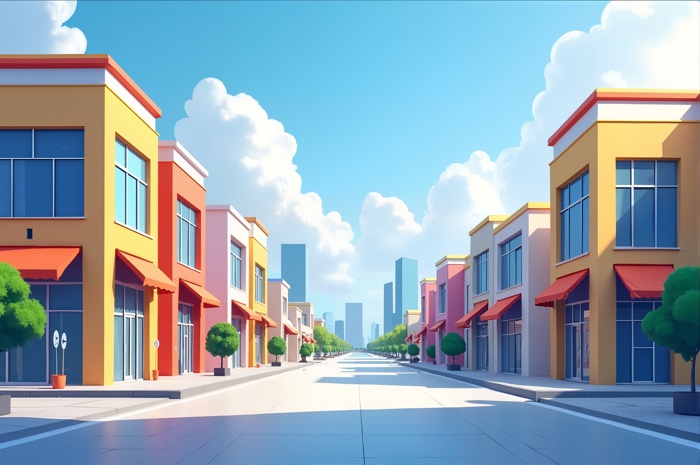
When you hear the term ‘high street’ you might be picturing your local shopping strip filled with popular chains - something smaller business owners often shy away from. In reality, high street shopping simply refers to shopping in person at physical stores, where you can go into shops, try on items, test out products, and walk out the store with your latest buy - depending on the type of business you own, this might be the commerce chain for you.
Pros:
- Having the products available in stores allows customers to try on or test out items before they make the commitment to buy it - not only does this relieve some of the pressure of ‘buying before you try’ that comes with online shopping, but it also means the customer will have the option to look at even more products that they might not have clicked on online, leading to more sales.
- In person customer service - this often helps provide the encouragement that customers might need to make the purchase.
- No waiting for a delivery - it goes without saying that one of the biggest pros of in person stores is that you can walk out of the store with the item that same day. You don’t have to schedule your day around delivery times, and there is no stress if you have any time constraints.
Cons:
- While customers may prefer having the option to try the products on in store, the only downside is that they might not be stocking the products or sizes you need. For example, a store may only stock 3 colours in store, when they actually offer 5 on their online store.
- For smaller businesses, having a store can lead to higher overhead costs, with rent, business rates and staff costs - in this case, to cover these costs, they may need to raise their product prices. This means that companies with online stores may be able to offer their products at lower prices.
- Another downside is the store hours and travel time. People are working traditional 9am to 5pm jobs will be required to do their shopping either after working hours, or during the weekend.
Not all businesses benefit from having a physical store, however, there are some industries that benefit from their consumers being able to go into the store to browse their products. Some of these include fashion brands, cosmetics or beauty brands, food companies, homeware, pharmaceutical, or even luxury brands. These kinds of businesses often value a more personal approach, which is where physical stores can be a winner.
Online Retailers:
On the opposite end of the consumer spectrum, we also have online retailers. These are businesses that sell their products or services to consumers or other businesses online, through a web browser or app over the internet, which allows people to browse and purchase products remotely. Some stores are online only, meaning that their products or services can only be purchased online, whereas some companies offer a more hybrid approach, which includes both online stores as well as physical stores. There are benefits and limitations to each business model, so let’s take a look at whether online retail is the right choice for you and your business.
Pros:
- One of the main benefits of an online store is that you don’t have the limitation of space. This means that you can offer and advertise a much larger selection of products than you might be able to if you had a physical store.
- Another positive to online retail is that it offers more convenience for your customers - they can shop anywhere and at any time, provided they have access to the internet.
- Online stores also often lead to lower overhead costs, since there is no rent or electricity, etc., to pay, which in turn can mean that businesses are able to offer a more competitive pricing structure.
- Finally, another great benefit of online stores is the convenience of home delivery systems. This can be especially useful for larger items, that can be a struggle to carry home, since they are simply delivered to your door for you, instead.
Cons:
- While home delivery is convenient, the only downside of it is time. When you need products instantly, having to wait for your delivery to arrive can be stressful. Also with delivery, there can be higher costs involved due to the shipping fees, or again if you need to return the item, you may be charged additional fees for that as well. This can sometimes be time consuming and a bit of a hassle for the consumer.
- Another limitation is that products you see online may not be accurately represented by the image on the website, so sometimes not being able to physically see or inspect an item first before buying it, can lead to the wrong product being received, it being lower quality than advertised, or just it simply not being what you were expecting.
- When purchasing products online, there is always that risk of your data being breached, as you must enter all of your personal details and card details in order to make the payment and schedule the delivery. While this doesn’t always happen, it can be a deterrent for customers who are a bit more cautious with their data.
Businesses that prioritise efficiency and convenience may be more interested in opening an online store, instead of a physical store. These may include online subscription-based services, businesses with niche products that value global reach, standardised products (such as books, electronic accessories, etc.), and more.
No matter which business structure you choose, either a physical store or online store, it is just important to make sure you really assess which one will help your business grow the most, and offer the best service for your consumers.