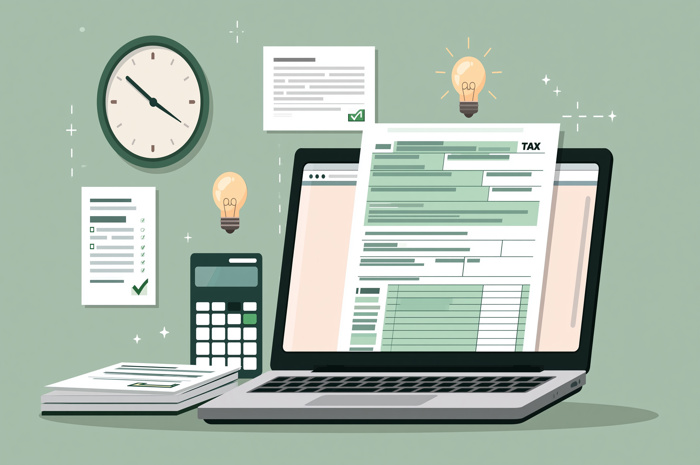
In this article, we explore why digital filing is now essential and what it means for small businesses moving forward.
Regulatory Pressure Is Increasing
One of the biggest reasons digital filings has become unavoidable is government regulation and company compliance. Tax authorities and regulators are steadily moving toward fully digital systems.
In the UK, for example, businesses are now required to maintain digital records and submit tax information electronically under initiatives like Making Tax Digital.
Similar policies are emerging across Europe and beyond, including mandatory e-invoicing in some countries. This means that relying on paper records is no longer just inconvenient as it can actually put your business at risk. Companies that fail to meet digital requirements may face penalties, delays, or additional administrative burdens.
Paper Systems slow businesses down:
Paper filing may work for very small operations, but it quickly becomes inefficient as a business grows. Finding documents takes longer. Sharing information with colleagues or accountants becomes more complicated. Duplicate records and human errors become more common. Over time, these small inefficiencies add up and begin to impact productivity.
Digital systems, on the other hand, allow instant access to files. Documents can be searched in seconds, shared with a click, and organised automatically. This not only saves time but also reduces mistakes, improves overall workflow and ensures company compliance. In a business environment where speed and responsiveness matter, paper systems simply cannot keep up.
Security risks are higher with paper:
It is easy to assume that paper records are safer because they are not connected to the internet. However physical documents come with their own risks. Paper files can be lost, stolen, or damaged by fire, flooding, or simple misplacement. Once they are gone, they are often gone permanently.
Digital filing systems for small companies offer stronger protection through encryption, password controls, and secure backups. Even if something goes wrong, data can usually be recovered quickly.
For businesses handling sensitive information, such as customer details or financial records, digital security is expected.
The hidden costs of physical storage:
Many small companies underestimate the true cost of paper filing for company compliance. Filing cabinets take up valuable office space. Storage rooms reduce usable workspace. Managing and organising physical files requires time and effort from staff. As a business grows, these costs increase. More documents mean more storage, more time spent filing, and more complexity.
Digital filing eliminates this burden. Documents are stored electronically, freeing up space and reducing administrative overhead. Over time, this can lead to significant cost savings for small companies.
Supporting remote and flexible work:
The way people work has changed. Remote and hybrid working are now common across many industries. Paper-based systems make this difficult. If documents are stored in a physical office, employees cannot access them easily from home or on the go. This slows down collaboration and limits flexibility and potentially makes company compliance difficult to manage.
Digital filing solves this problem by allowing secure access from anywhere. Teams can view, edit, and share documents in real time, regardless of location. For small companies that want to remain flexible and attract modern talent, digital access to information is essential.
Better data leads to better decisions:
Digital filing is not just about storing documents; it is also about using information more effectively. When records are stored digitally, businesses can analyse data more easily. This includes tracking expenses, monitoring cash flow, identifying trends and keeping on top of company compliance.
With better visibility, business owners can make more informed decisions. They can respond quickly to changes, plan more effectively and identify opportunities for growth. Paper systems, by contrast, make this much harder to achieve.
Staying competitive in a digital world:
Many small companies have already adopted digital tools and are benefiting from increased efficiency, lower costs, and improved customer service. As more companies make the switch, the gap between digital and non-digital businesses continues to grow.
Customers and partners also expect faster responses and smoother processes. Businesses that rely on paper systems may struggle to meet these expectations. In this environment, staying paper-based can become a disadvantage.
Conclusion:
Digital filing has evolved from a helpful improvement into a core part of running a modern business. It supports company compliance with regulations, improves efficiency, enhances security, reduces costs, and enables flexible working. Most importantly, it helps small companies stay competitive in an increasingly digital marketplace.